Projects
Research and engineering across neural decoding, computational biology, and machine learning.
Selected work
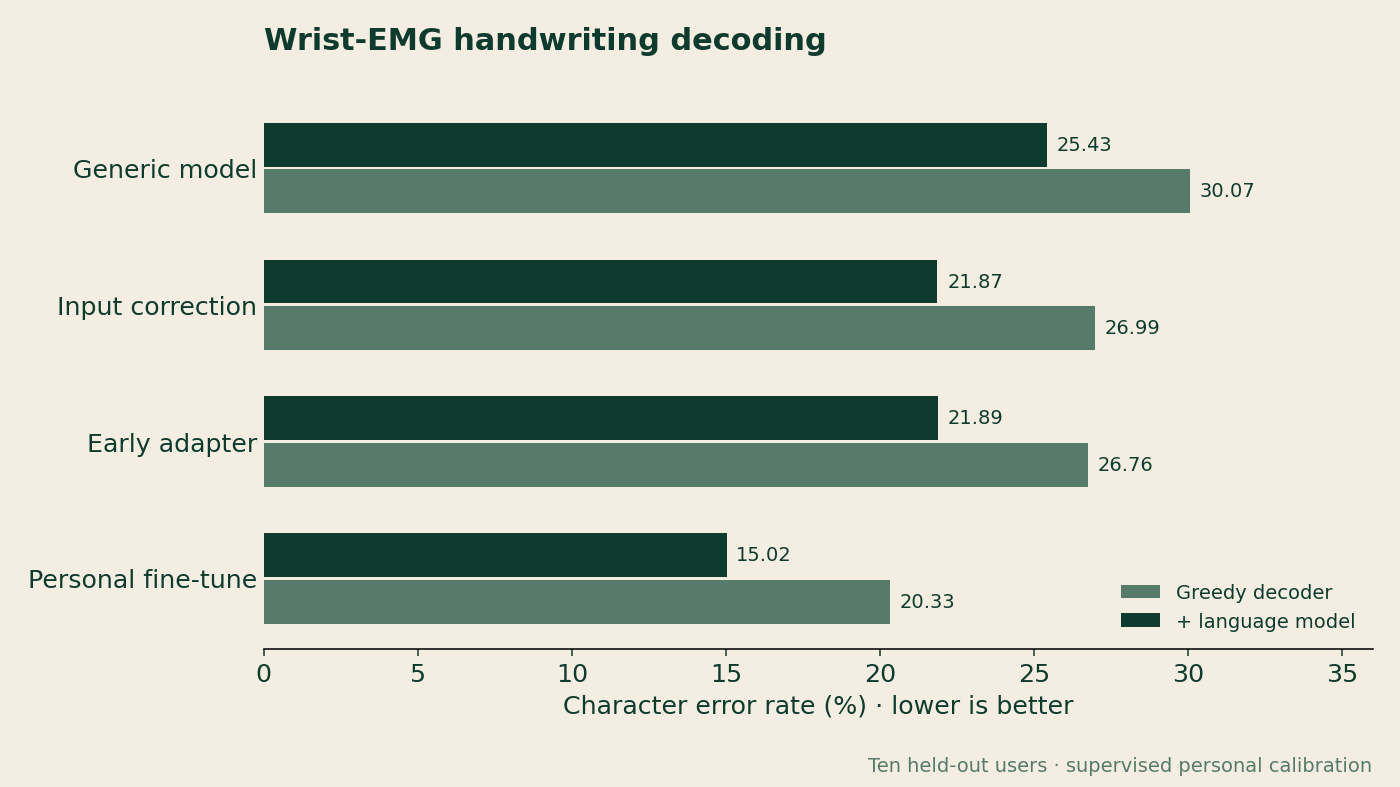
Personalized handwriting decoding from wrist EMG
Reproducing Meta’s wrist-EMG handwriting decoder and reducing character error from 30.07% to 15.02% on ten held-out users through personalization and language-model decoding.
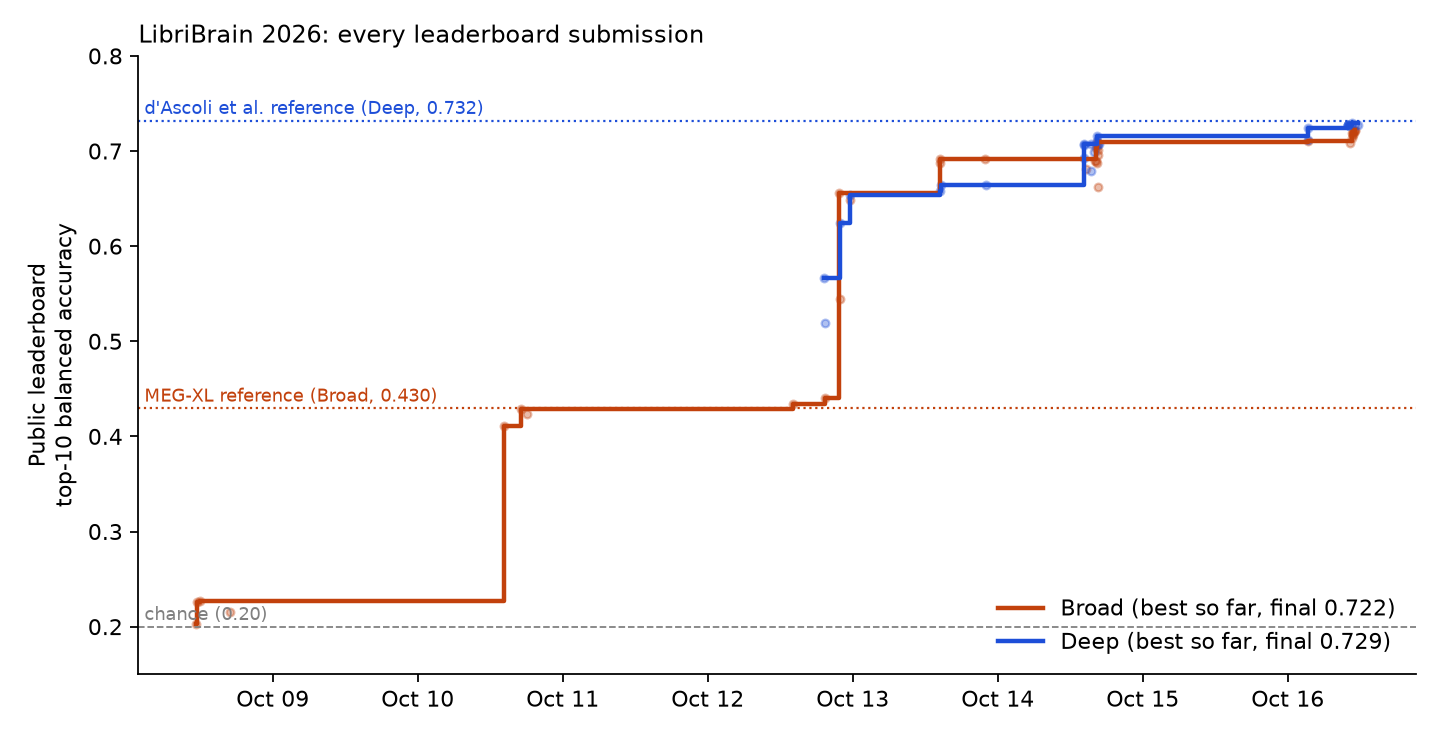
LibriBrain 2026: decoding speech from MEG
MEG word decoding for LibriBrain 2026: public scores of 0.722 on Broad and 0.729 on Deep; final private ranks 17th of 53 (Broad) and 26th of 91 (Deep). Includes transfer learning, test-time adaptation, and an evaluation of timing-only baselines.
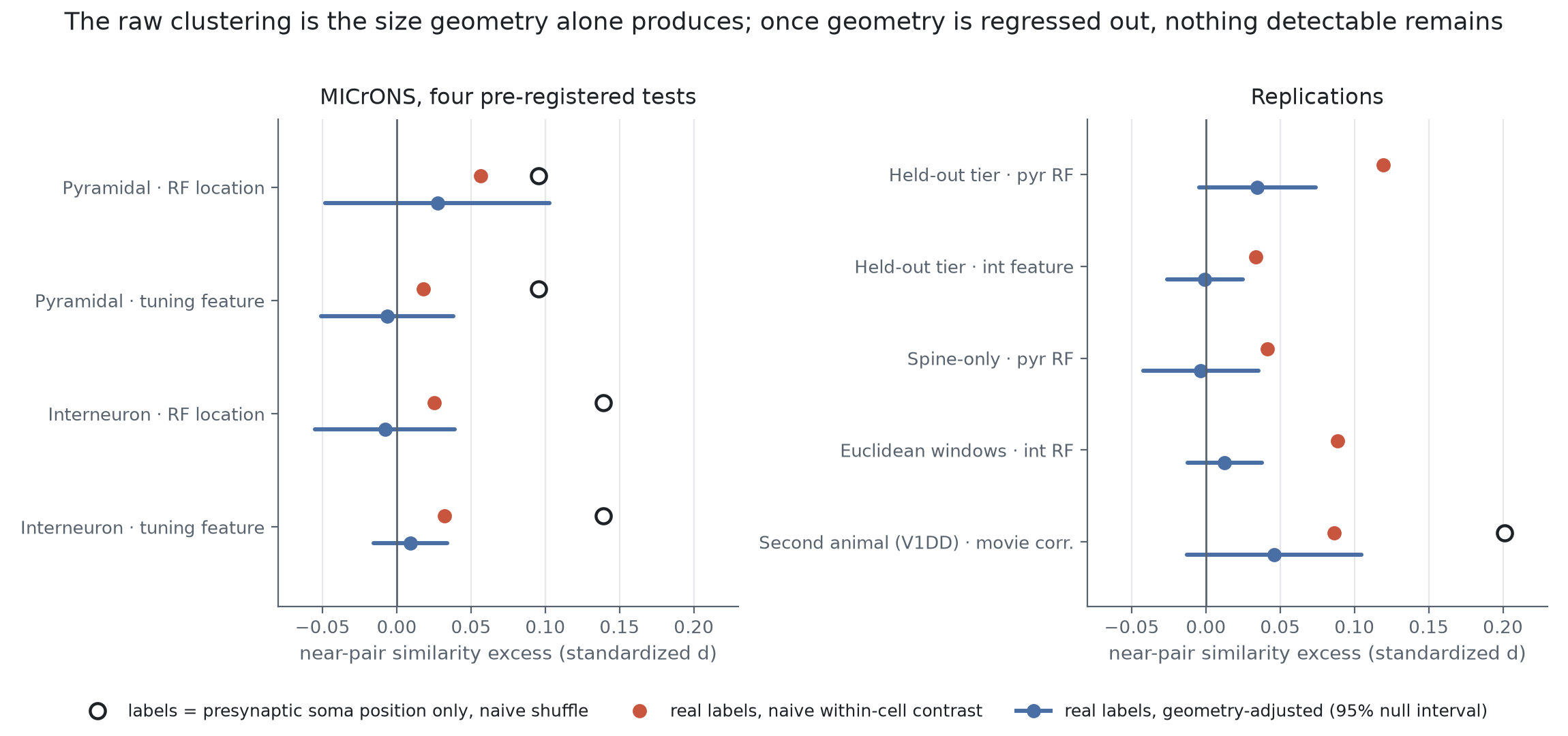
Dendritic input clustering in MICrONS is presynaptic geometry
Do co-tuned inputs land together on cortical dendrites? In MICrONS the standard shuffle test calls pure soma geometry clustering (p = 0.001); adjusted for it, receptive-field placement is bounded at d ≤ 0.019.
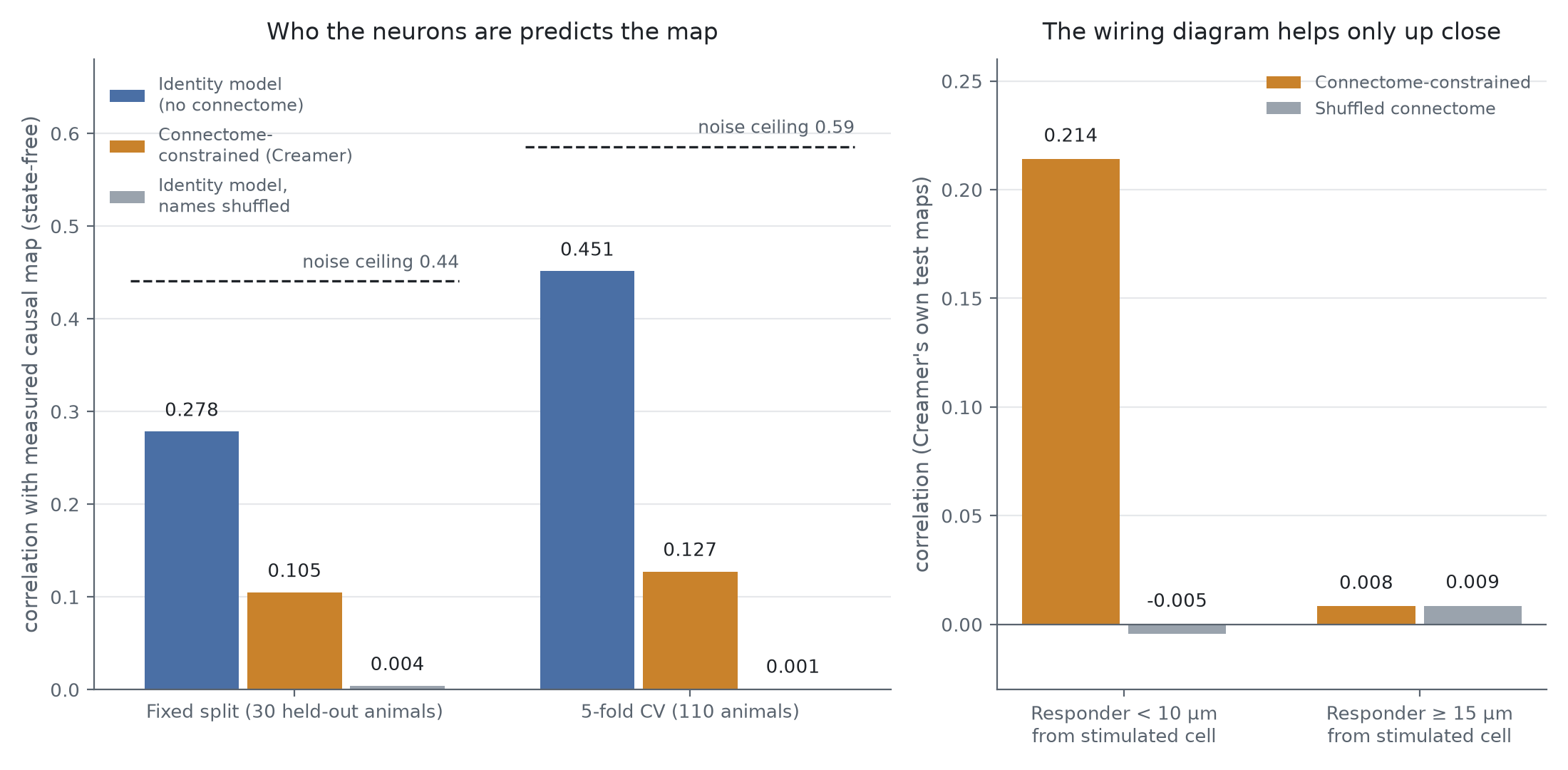
Predicting causal signal flow in the C. elegans brain
Predicting how stimulating one C. elegans neuron moves the others in unseen worms: neuron identity reaches 77% of the noise ceiling (r = 0.451); the wiring diagram helps only within ~10 µm.
Neural decoding
Personalized handwriting decoding from wrist EMG
Reproducing Meta’s wrist-EMG handwriting decoder and reducing character error from 30.07% to 15.02% on ten held-out users through personalization and language-model decoding.
LibriBrain 2026: decoding speech from MEG
MEG word decoding for LibriBrain 2026: public scores of 0.722 on Broad and 0.729 on Deep; final private ranks 17th of 53 (Broad) and 26th of 91 (Deep). Includes transfer learning, test-time adaptation, and an evaluation of timing-only baselines.
C. elegans
Predicting causal signal flow in the C. elegans brain
Predicting how stimulating one C. elegans neuron moves the others in unseen worms: neuron identity reaches 77% of the noise ceiling (r = 0.451); the wiring diagram helps only within ~10 µm.
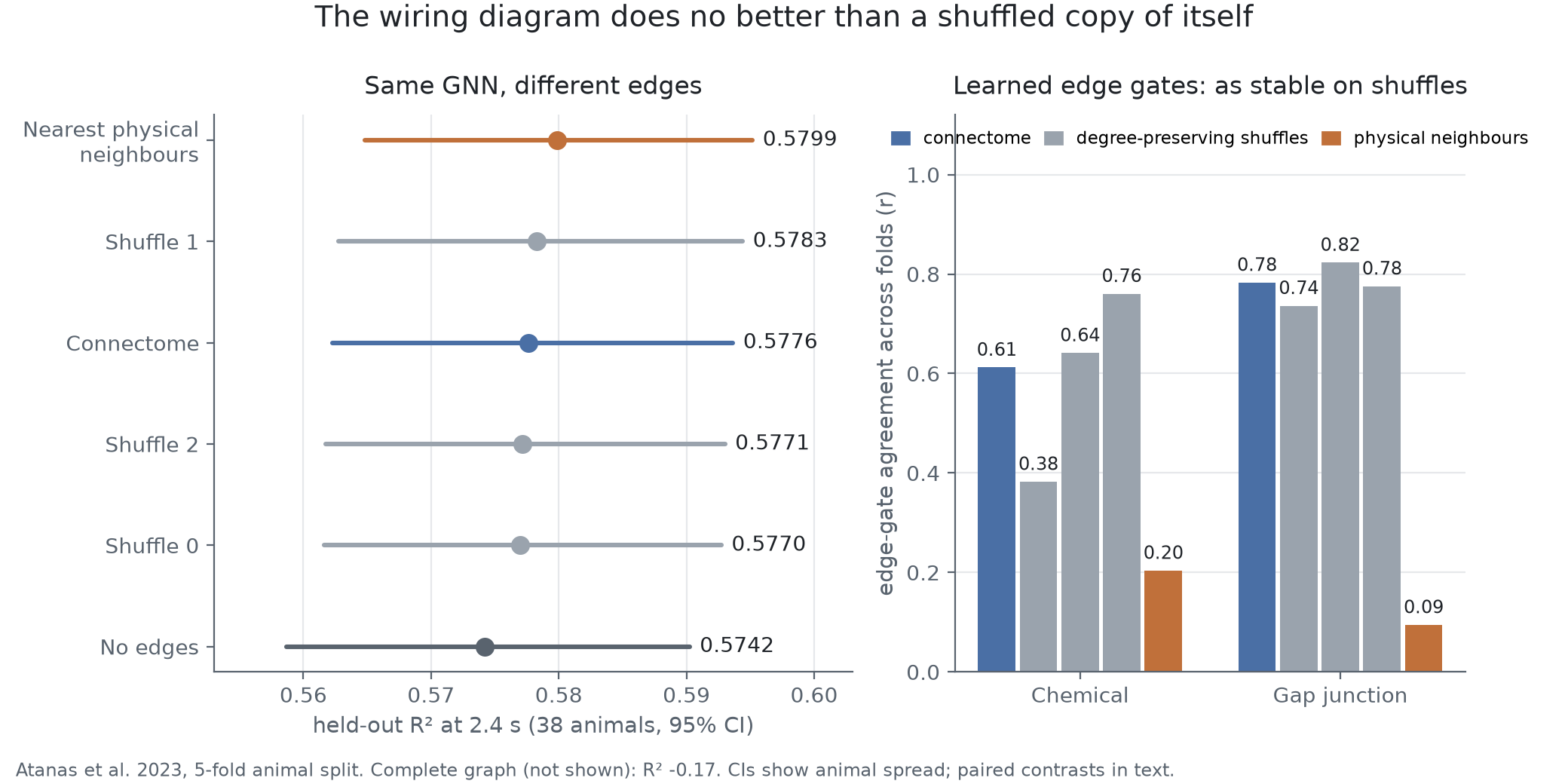
Connectome Graph Dynamics
Frozen held-out benchmarks on public whole-brain C. elegans data: in a learned graph network the real connectome scores the same as degree-preserving shuffles (+0.0001 R² [−0.0007, +0.0009]).
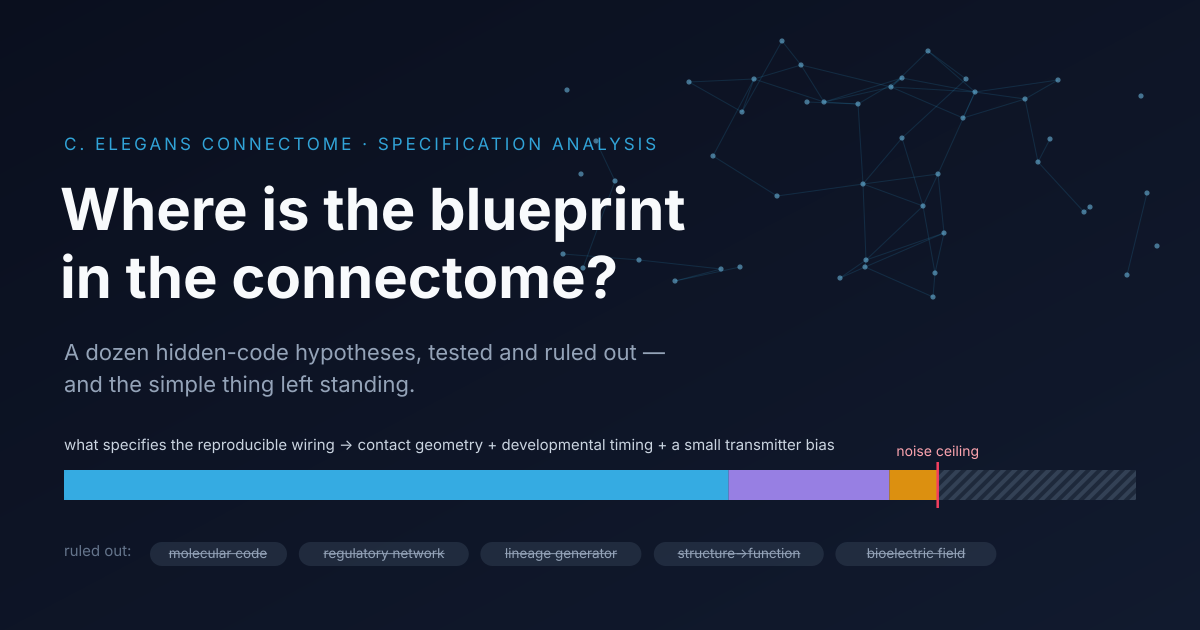
How development shapes the C. elegans connectome
Testing how physical contact, developmental timing, and molecular signals account for reproducible wiring in C. elegans, using matched controls and held-out connectomes.
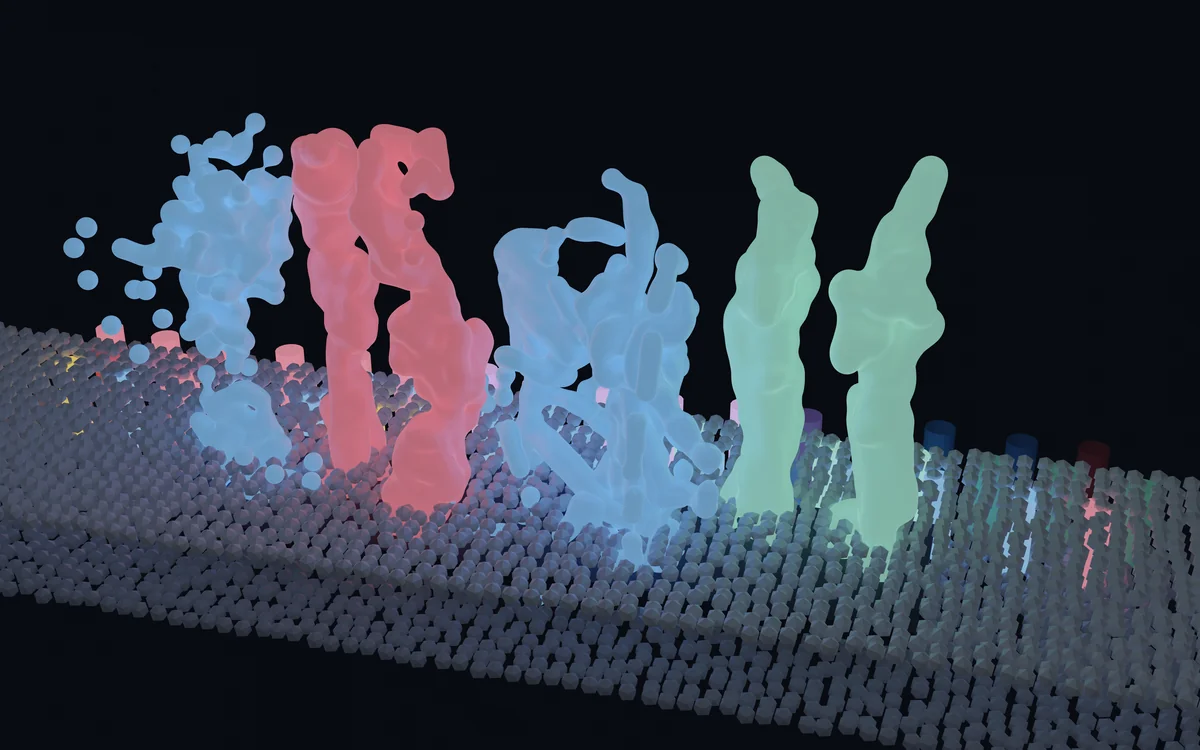
Interactive anatomy of a C. elegans neural model
A 3D explorer of a 300-cell Brian2 model, showing ion channels, receptors, pumps, synapses, and the integration status of each modeled component.
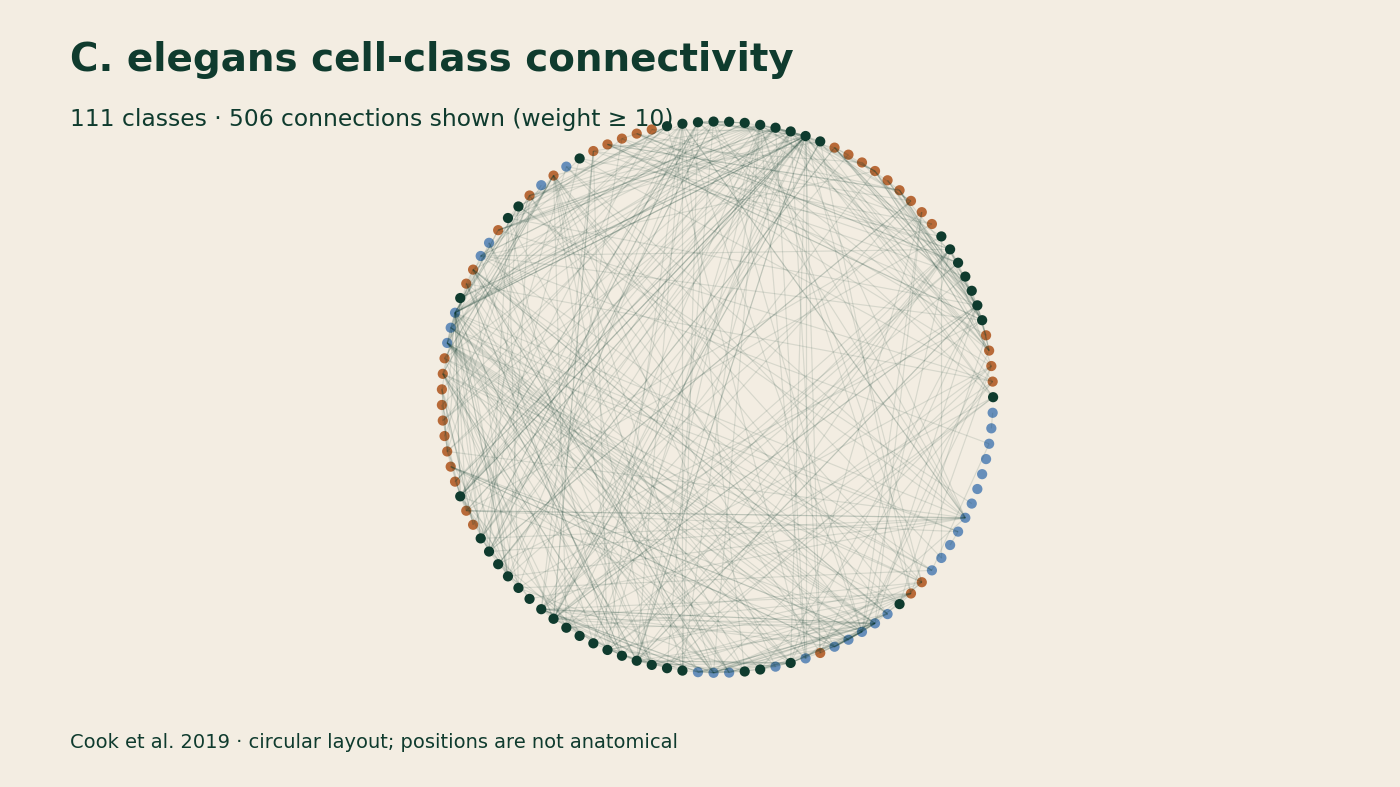
C. elegans: connectivity, gene expression, and simulation
A computational neuroscience learning pipeline combining connectomics, gene expression, neural models, and an interactive worm simulator, with documented validation limits.
Cortical connectomics
Human genetics
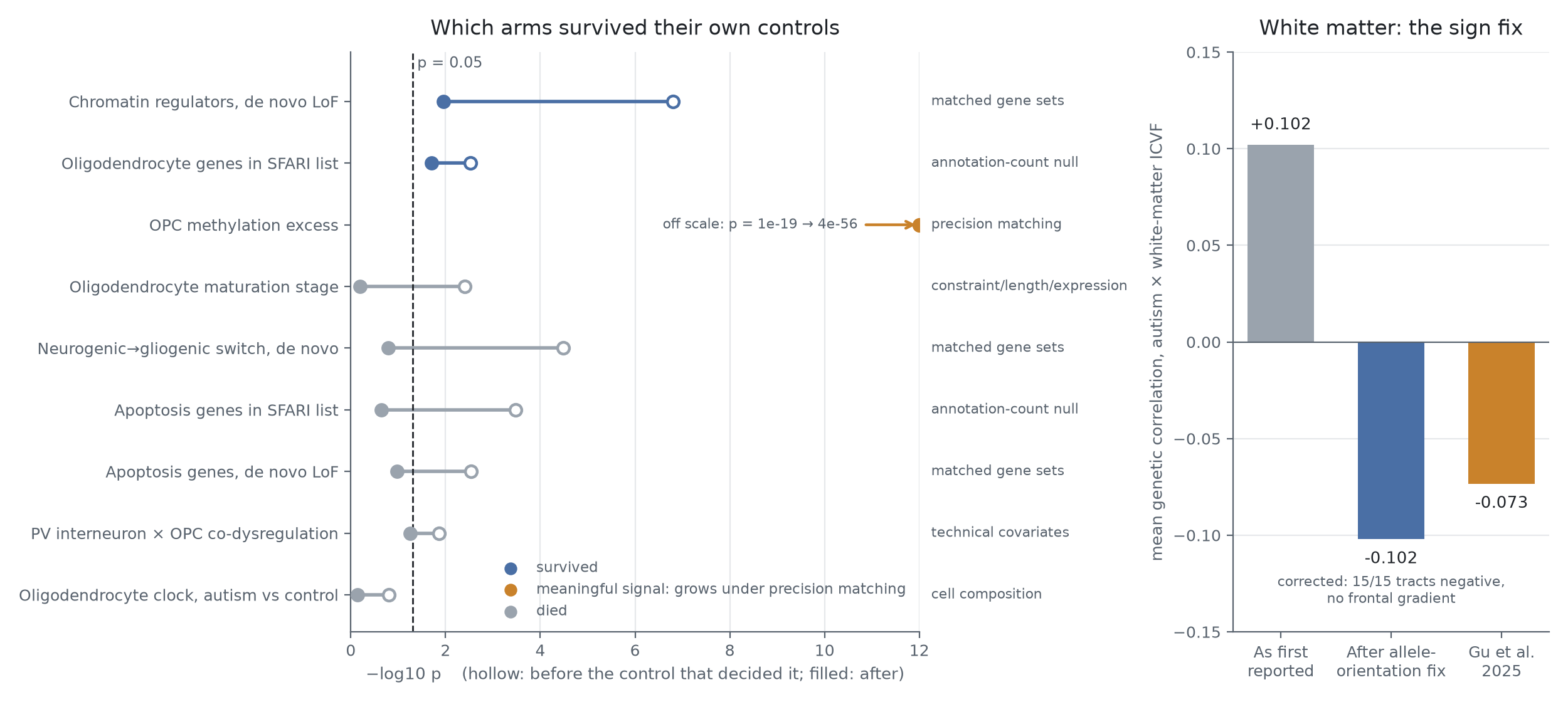
Autism, myelination, and developmental timing
Testing whether autism risk runs through myelin. Lipid supply, APOE and oligodendrocyte stage died under controls; OPC methylation shows a robust excess (OR 2.86) that survives precision matching.
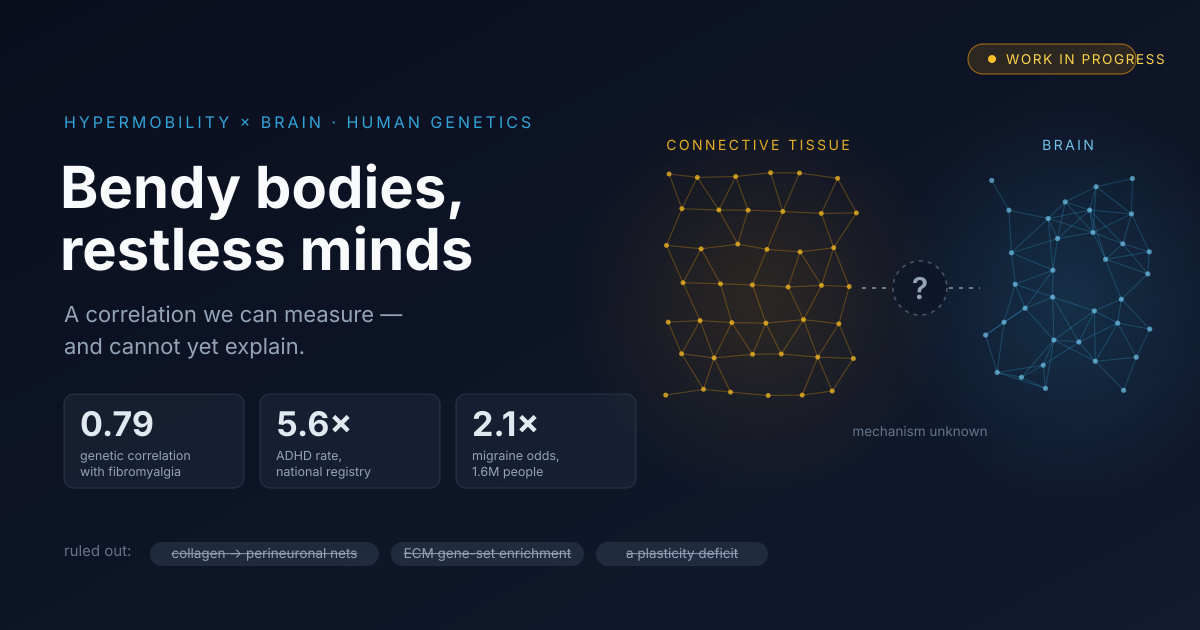
Hypermobility and neurological traits
Statistical genetics and literature analysis of the links between joint hypermobility, migraine, and other neurological traits, including tests of proposed connective-tissue mechanisms.
Clinical and molecular
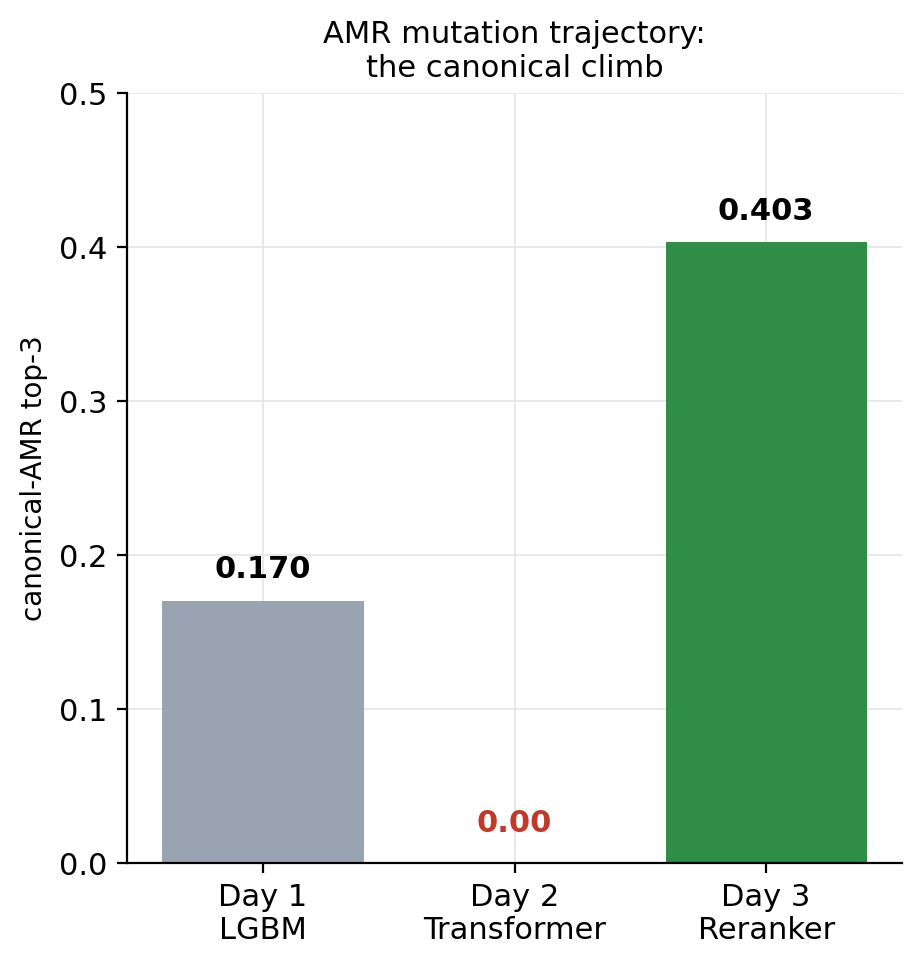
Predicting antibiotic-resistance mutation trajectories
Sequence models for predicting mutations during adaptive evolution. Tests compare gradient boosting, transformers, and reranking, and measure the contribution of ordered mutation history.
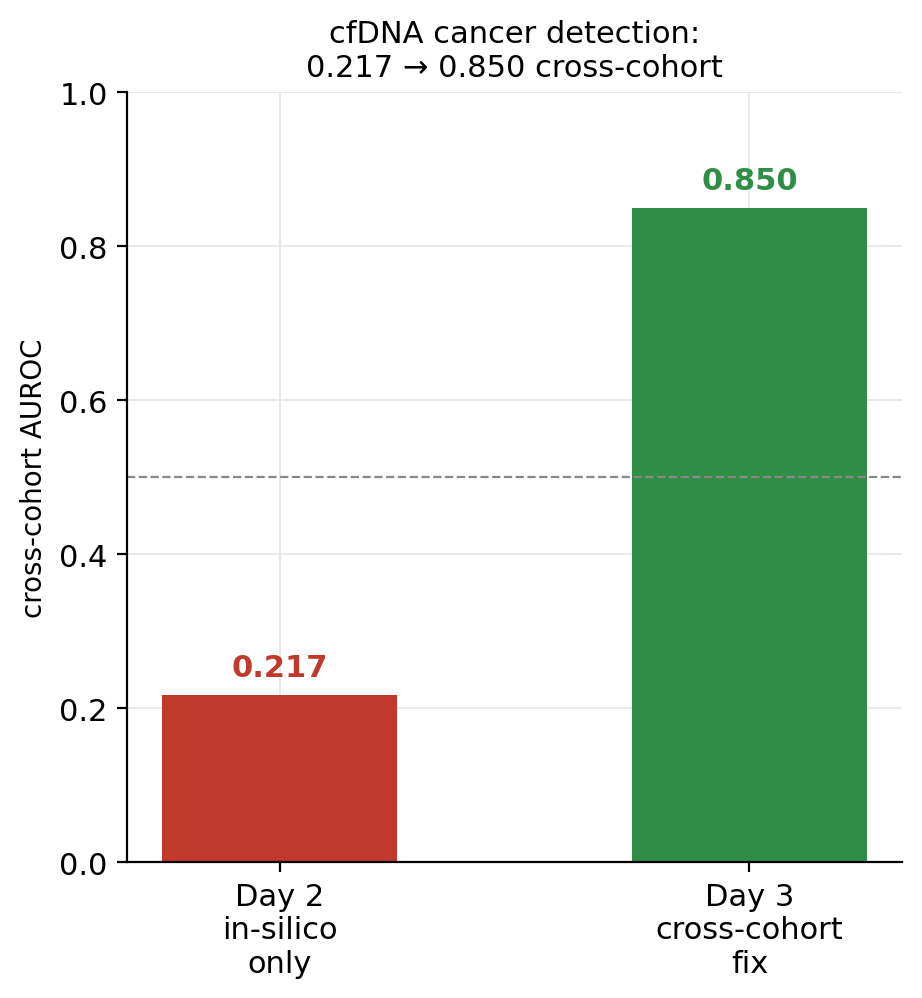
Cross-cohort cancer detection from DNA methylation
A public-data cfDNA pipeline studying cross-platform generalization. Cross-cohort AUROC reached 0.850 on 19 samples; calibration and larger-cohort validation remain open.
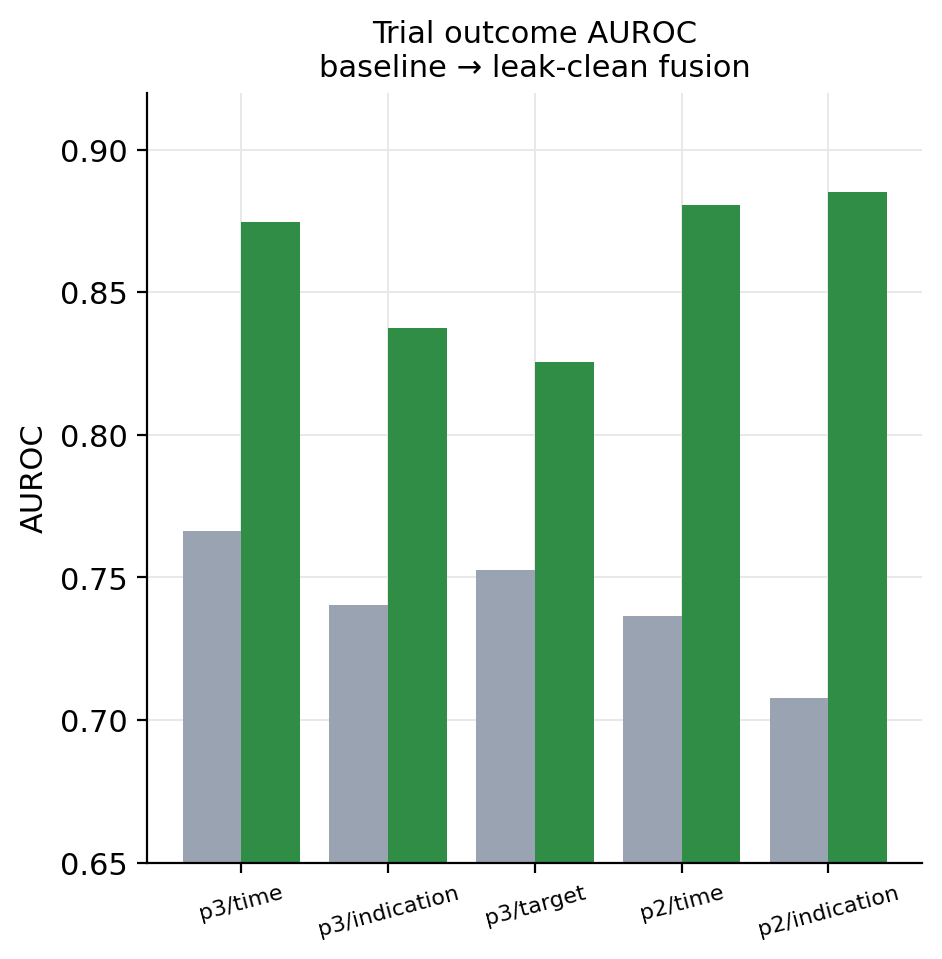
Predicting clinical trial outcomes
Clinical trial outcome models combining tabular, molecular, protein, and text features. Includes time-based evaluation and leakage diagnostics, with same-drug target encoding still unresolved.
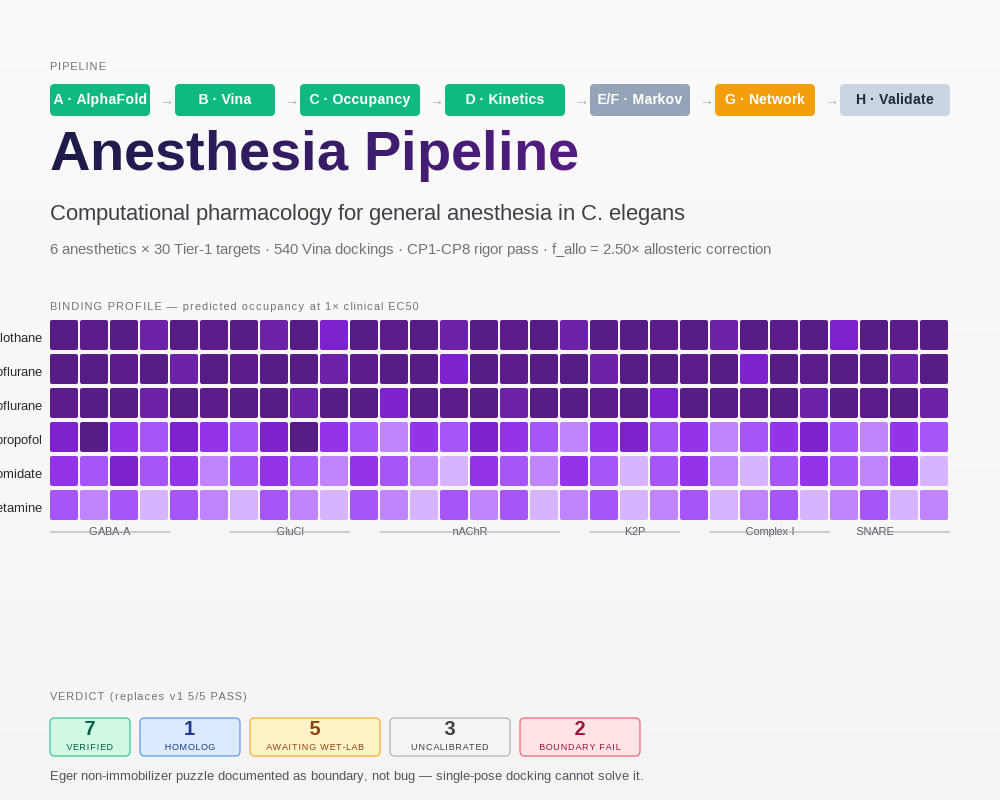
Modeling anesthesia and reversible neural states
Computational models of anesthetic perturbations, tested against published pharmacology across worm, fly, and mouse calibrations, alongside a literature map of reduced-activity states.
Robotics
Competitions
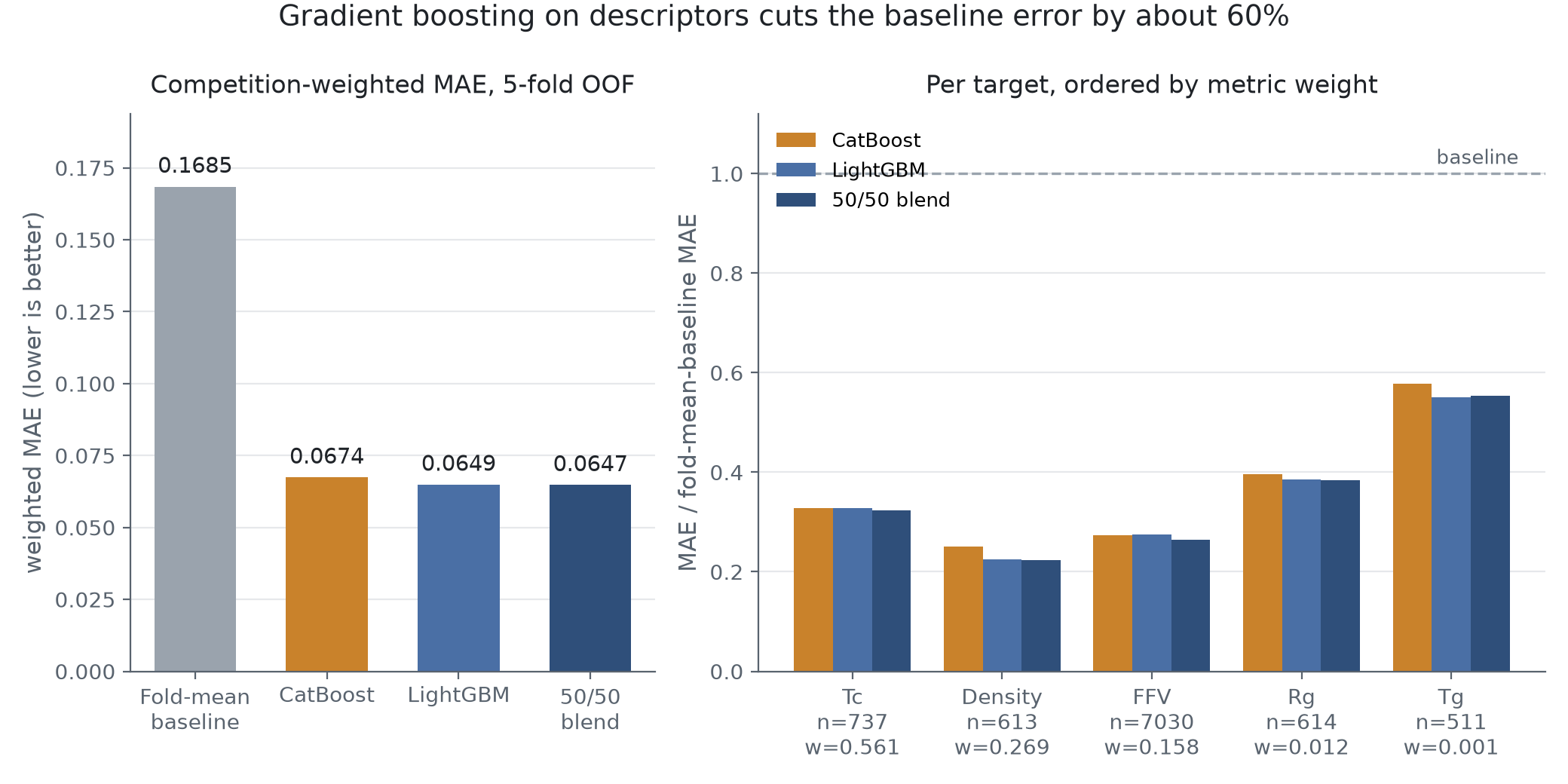
Polymer property prediction
Per-target LightGBM and CatBoost on ~2,600 Mordred, RDKit and fingerprint descriptors for the NeurIPS 2025 polymer challenge: 5-fold grouped OOF weighted MAE 0.0649, against 0.168 for predicting the mean.
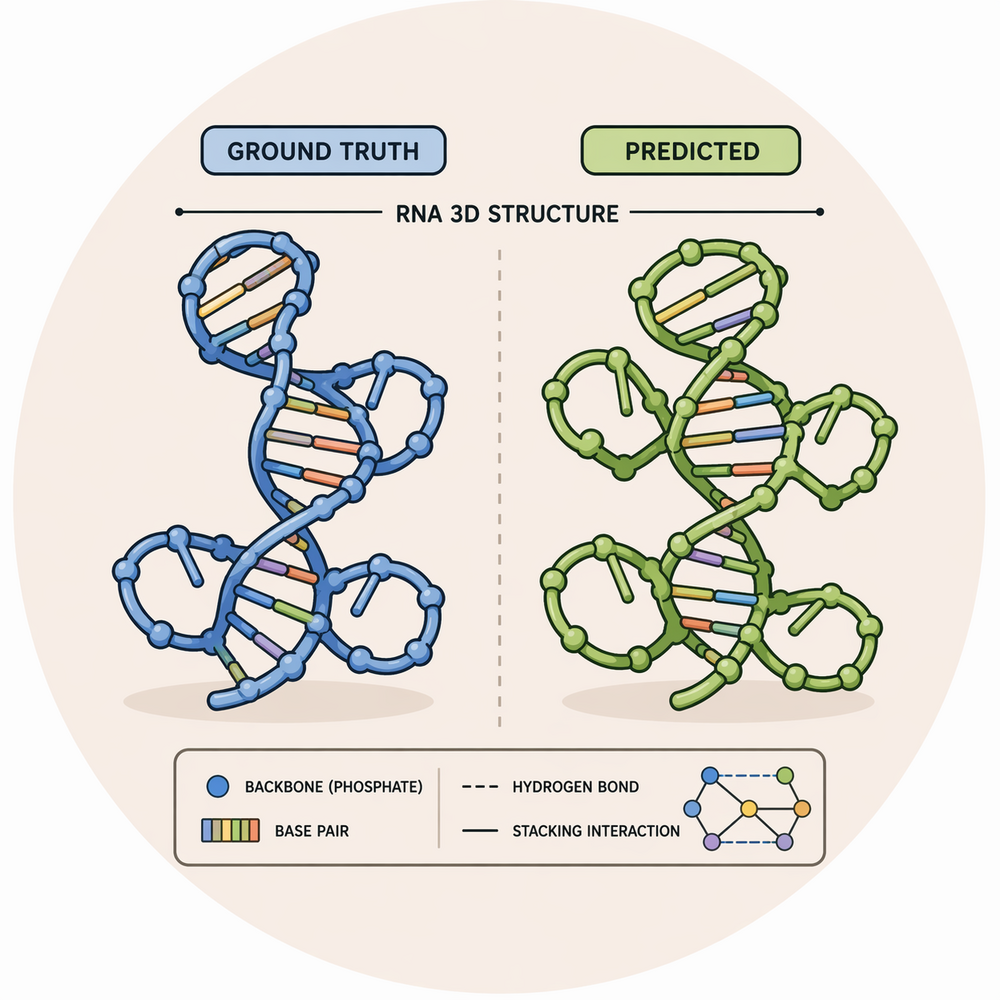
RNA 3D structure prediction
Stanford RNA 3D Folding on one 8 GB GPU: a 488M-parameter diffusion model run within its memory, a sequence-aligned TM-score harness, and a 45-stage template folder over 9,564 PDB RNA structures.
Vision

Classifying AI-generated and human artwork
Convolutional models for artwork source and style classification, with feature visualization and a browser demo. Reported binary test accuracy: 93.71%.
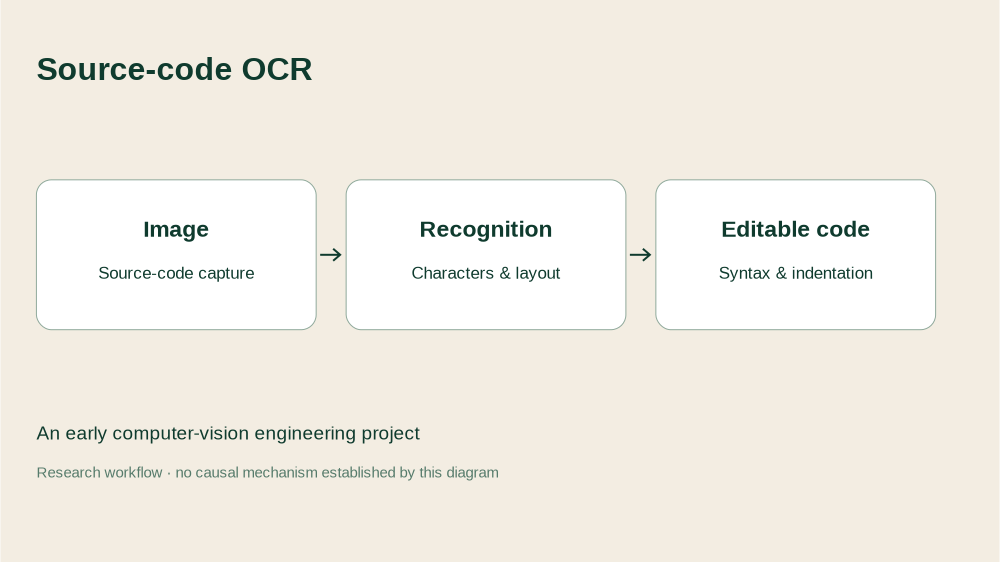
Source-code OCR
An early computer-vision project for extracting editable source code from images while preserving indentation, punctuation, and similar-looking characters.
Reasoning
Other
Earlier work
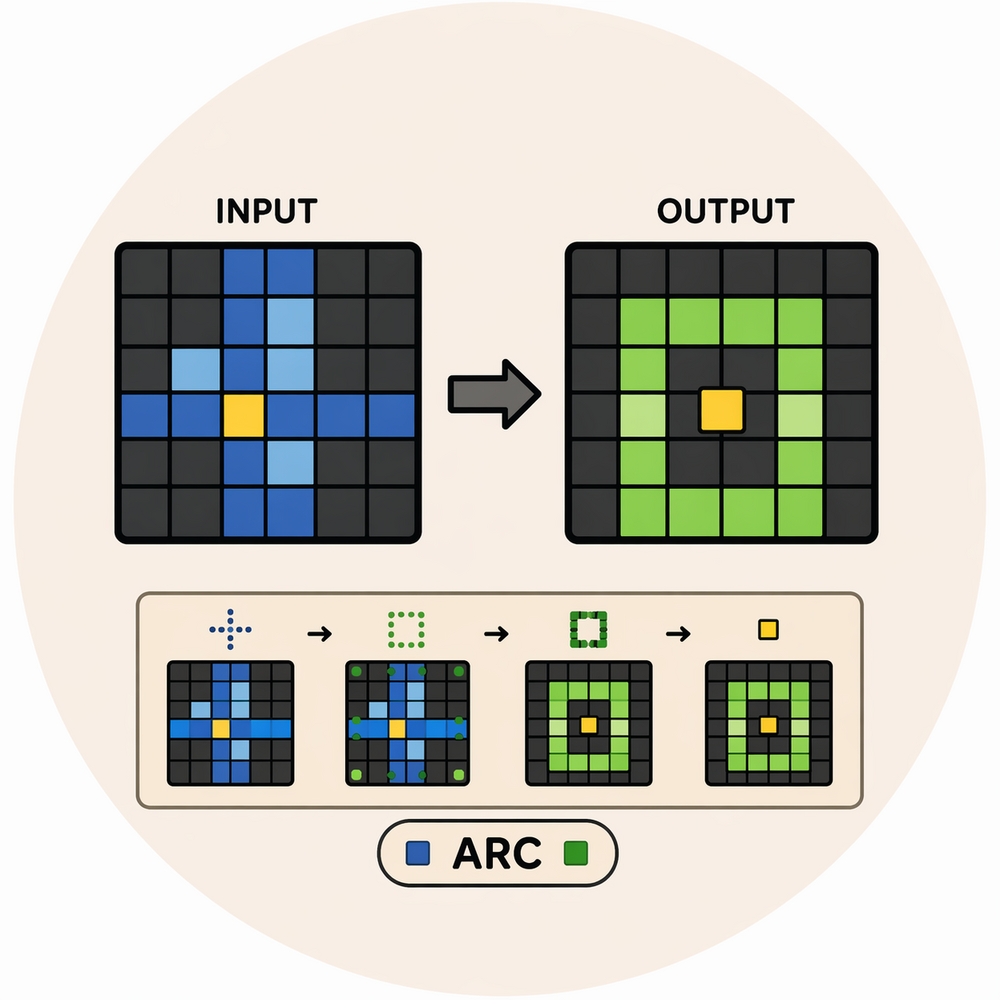
- 2025 ARC-AGI: program synthesis and visual reasoning A 2025 ARC-AGI solver combining symmetry detection, symbolic candidate generation, and program search for visual reasoning tasks.
- 2024 Neural-symbolic reasoning prototypes Exploring cellular automata, attention representations, rule mining, and symbolic solvers as components of reasoning systems. Benchmarks were not evaluated.